
Westgate Construction is one of the best general contractors in New Jersey providing exemplary ICF Insulated Concrete Home Construction & ICF Concrete Foundations in Newark, New Jersey (NJ) | ICF Concrete Foundations & Home Construction in Jersey City NJ | Paterson ICF Concrete Home Builders in Paterson, New Jersey | Elizabeth ICF Concrete Home Construction Service in Elizabeth NJ | Westgate Commercial ICF Concrete Building Construction in New Jersey | Lakewood Twp ICF Concrete Home Builders in Lakewood Township, New Jersey | Edison ICF Concrete Foundations & Home Construction in Edison NJ | Woodbridge ICF Home Builders in Woodbridge, New Jersey | Toms River ICF Home Construction Contractors in Toms River NJ | Hamilton Twp ICF Insulated Concrete Home Construction Company in Hamilton Township, New Jersey | Clifton ICF Concrete Home & ICF Foundation Construction in Clifton NJ:
Westgate Construction provides fast quotes as one of the finest high-end construction companies in New Jersey offering the most experienced ICF Insulated Concrete Home Construction Crews in Trenton, New Jersey (NJ): Brick Township, Camden, Cherry Hill, Passaic NJ, Union City, Bayonne, Old Bridge Township, Franklin Township, Middletown, East Orange, Gloucester NJ, North Bergen, Vineland, Union Township, Piscataway, New Brunswick, Jackson Township, Hoboken, Wayne, Irvington, West New York, Parsippany-Troy Hills, Perth Amboy, Howell, Plainfield, Bloomfield, East Brunswick, West Orange, Washington Township, South Brunswick, Bridgewater Township, Evesham, Monroe, Sayreville, Hackensack, Manchester Township, Egg Harbor Twp, Linden, Kearny, North Brunswick, Berkeley, Mount Laurel, Teaneck, Marlboro Twp, Manalapan, Hillsborough, Montclair, Winslow, Atlantic City, Fort Lee, Monroe Twp, Galloway, Ewing, Belleville, Pennsauken, Freehold, Fair Lawn, Lawrence, Garfield, Willingboro, Upper Township, City of Orange, Long Branch, Deptford Twp, Livingston, Lacey, Voorhees, Nutley, West Windsor Twp, Millville, Pemberton, East Windsor, Englewood, Princeton, Mount Olive Twp, Ocean Twp, Bernards, Neptune, Bergenfield, Hamilton Twp, Rahway, Mahwah, Wall Twp, Stafford Township, Paramus, West Milford, Bridgeton, Ridgewood, Maplewood, Rockaway, Vernon, Cliffside Park, Randolph, Carteret, Scotch Plains, Lower Twp, Morris, Medford, Roxbury Twp, South Plainfield, Cranford, Roselle, Burlington, Moorestown, Montville, Summit, Lodi, Montgomery, Raritan Twp, Jefferson Twp, Plainsboro, West Deptford Twp, Hillside, North Plainfield, Millburn, Sparta Twp, Hazlet, Barnegat, Pleasantville, Palisades Park, New Milford, Lyndhurst, Hawthorne, Midde Twp, Washington Twp, Elmwood Park, Little Egg Harbor Twp, Dover, Glassboro, Morristown, Maple Shade Township, Point Pleasant, Dumont, Aberdeen, Lindenwold, Rutherford, Madison, Middlesex, Tinton Falls, Holmdel, Secaucus, Wyckoff, Denville, Hopewell, Delran, Springfield, Asbury Park, Hammonton, South River, North Arlington, Pequannock, South Orange Village, Readington Twp, Cinnaminson, Lumberton Twp, Tenafly, Warren, Haddon, Saddle Brook, Ramsey, Clark, Fairview, Collingswood, Branchburg, Hopatcong, Phillipsburg, Harrison, Mantua, Hanover, Little Falls, Highland Park, Robbinsville, Verona, Roselle Park, Pennsville, New Providence NJ, Berkeley Heights, Oakland, Weehawken, Metuchen, The Jersey Shore, Red Bank NJ, Woodland Park, Long Branch, Barnegat Light, Ocean City, Ventnor City, Brigatine, Margate City, Manasquan, Belmar, Wildwood, Highlands, Point Pleasant Beach, Atlantic Highlands, Bradley Beach, North Wildwood, Cape May NJ, Monmouth Beach, Wildwood Crest, Long Beach, Long Beach Island, Spring Lake, Seaside Heights, Sea Isle City, Lavellete, Avon-by-the-Sea, Sea Girt, Seaside Park, Sea Bright, Avalon, Surf City, Beach Haven, Ship Bottom, Bay Head, Longport, Stone Harbor, Deal, Allenhurst, Harvey Cedars, Cape May Point, Mantoloking, Loch Arbour and many other fine communities in the Garden State.
Book a Free Consultation
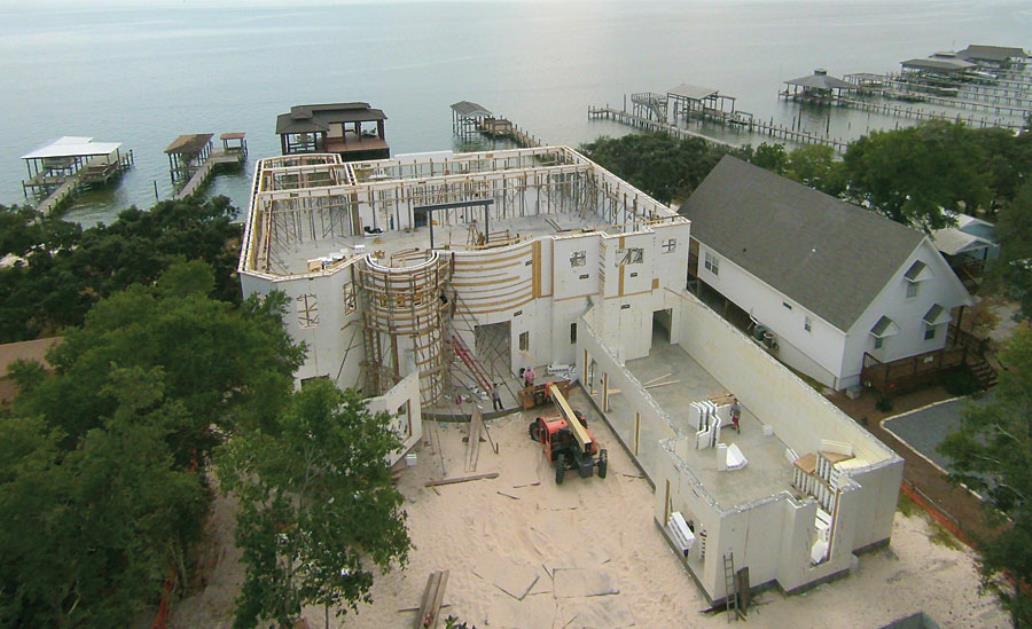

ICF Concrete Home Construction
1 (800) 423-2773
Hurricane Resistant Home Construction



ICF Insulated
Concrete Homes
Green Construction ...For The Blue Planet



Call For ICF Construction Now!
1 (800) 423-2773


ICF Concrete Homes is one of the finest networks of ICF Insulated Concrete Home Construction Contractors. Each member has over a decade of experience in the construction of the highest quality, hurricane resistant ICF Insulated Concrete Homes, ICF Concrete Foundations, ICF Insulated Concrete Garages as well as ICF Swimming Pool Installation.
Featured Advertiser

BlueGreen Building Concepts is a highly specialized ICF Insulated Concrete Home Construction Company in Boston, Massachusetts building the finest Custom ICF Concrete Homes throughout The Bay State.


Can You Think Of ONE Instance Where It May Not Have Been a Good Idea To Build Your House Out of Sticks?
ICF Concrete Homes are superior to stick built homes in every way. There is simply no advantage to building a home or commercial building out of wood.
The ICF Concrete Homes Directory is on a mission to bring the BEST ICF Contractors To The People Throughout The United States.
Hurricane Resistant For Winds Over 300 MPH
Up To 58% More Energy Efficient Than Wood
Concrete is Moisture Resistant/Does Not Rot
Fire Resistant / 3.5 Hour Fire Rating
Earthquake/Natural Disaster Resistant
Flood & Water Damage Resistant
Noise Proofing / Dampening Qualities
Moderate Temperature / Fewer Temp Swings
No Drafts & Fewer Hot/Cold Spots in Home
Greatly Reduced Carbon Footprint
Better Indoor Air Quality: Less Dust & Dirt
Huge Savings on Heating & Air Conditioning
Fewer Home Maintenance & Repair Costs
Reinforced Steel Walls For Strength
Fast, Affordable Construction Process
